
Eat Smart, Live Well:
Best Low Sugar Foods for a Balanced Life
Discover which foods keep your blood sugar steady, support your energy levels, and make every meal both delicious and nourishing. Our editorial team has curated the most trusted guidance available.
Why Nutrition Choices Matter Every Day
Understanding how food affects your blood sugar is the first step toward making smarter, more confident everyday choices.
Blood Sugar & Food Are Closely Linked
Every meal affects how your body processes glucose. Foods with a low glycemic index release energy gradually, helping maintain steady blood sugar throughout the day.
Whole Foods Are Your Best Allies
Non-starchy vegetables, legumes, whole grains, and lean proteins are consistently recognized by nutritionists as the foundation of a well-balanced, blood-sugar-friendly eating plan.
Hidden Sugars Are Everywhere
Many processed foods — from sauces to flavored yogurts — contain surprising amounts of added sugar. Learning to read labels is a crucial skill for mindful eating.
Why Low Sugar Foods Matter for Blood Glucose Control
When you eat foods high in refined sugar or rapidly digested carbohydrates, your blood glucose spikes quickly and then drops — leaving you tired, hungry, and reaching for more food. Over time, this roller-coaster pattern puts significant stress on your body's ability to manage energy effectively.
Low sugar and low glycemic foods, by contrast, digest slowly and release glucose into the bloodstream at a measured pace. This means longer-lasting energy, reduced cravings, improved focus, and a much steadier feeling throughout the day. Foods like leafy greens, legumes, nuts, berries, and whole grains are celebrated by nutritionists for precisely this reason.
At Lowglycemicmealsinfo, our editorial team compiles and reviews the latest research on low glycemic eating to help you make informed, empowered food choices every day — whether you are cooking at home, eating out, or planning meals for the week ahead.
Read Our Food Guides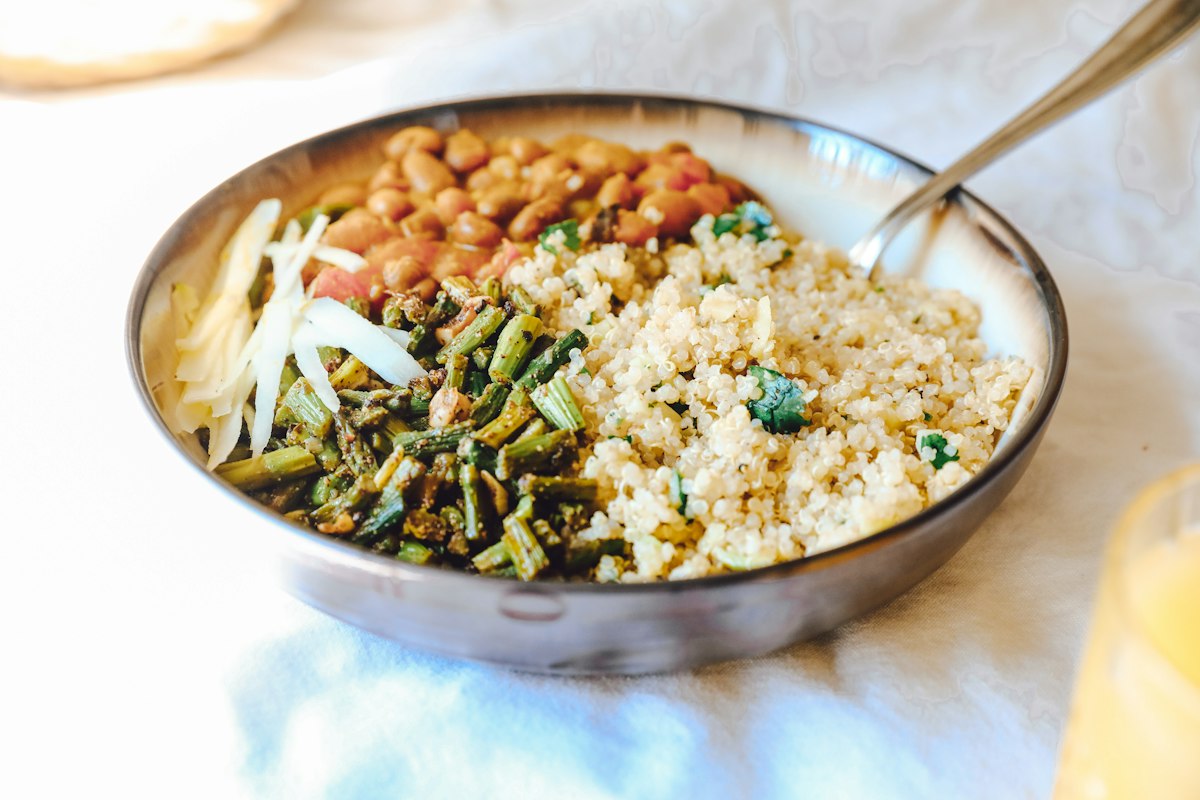
Top Low Sugar Food Categories
These six food categories are consistently highlighted by nutritional science as the most effective for keeping blood glucose in a healthy range.
Non-Starchy Vegetables
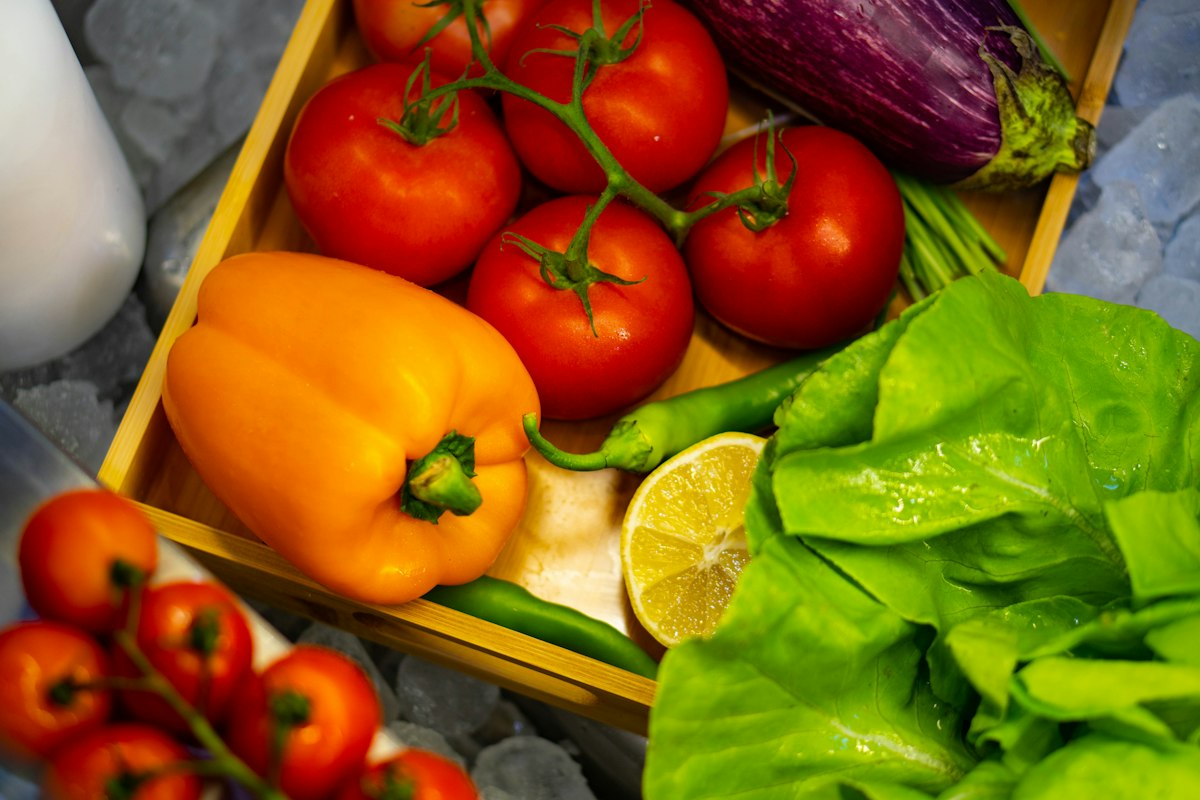
Spinach, broccoli, cauliflower, zucchini, and bell peppers are extremely low in sugar and carbohydrates. They are packed with fiber, vitamins, and antioxidants that support overall wellbeing.
- Very low glycemic index
- High in fiber and micronutrients
- Versatile in cooking

Legumes & Beans
Lentils, chickpeas, black beans, and kidney beans are nutritional powerhouses. Rich in plant-based protein and soluble fiber, they slow digestion and prevent sharp blood glucose rises after meals.
- High in soluble fiber
- Excellent plant protein source
- Long-lasting satiety

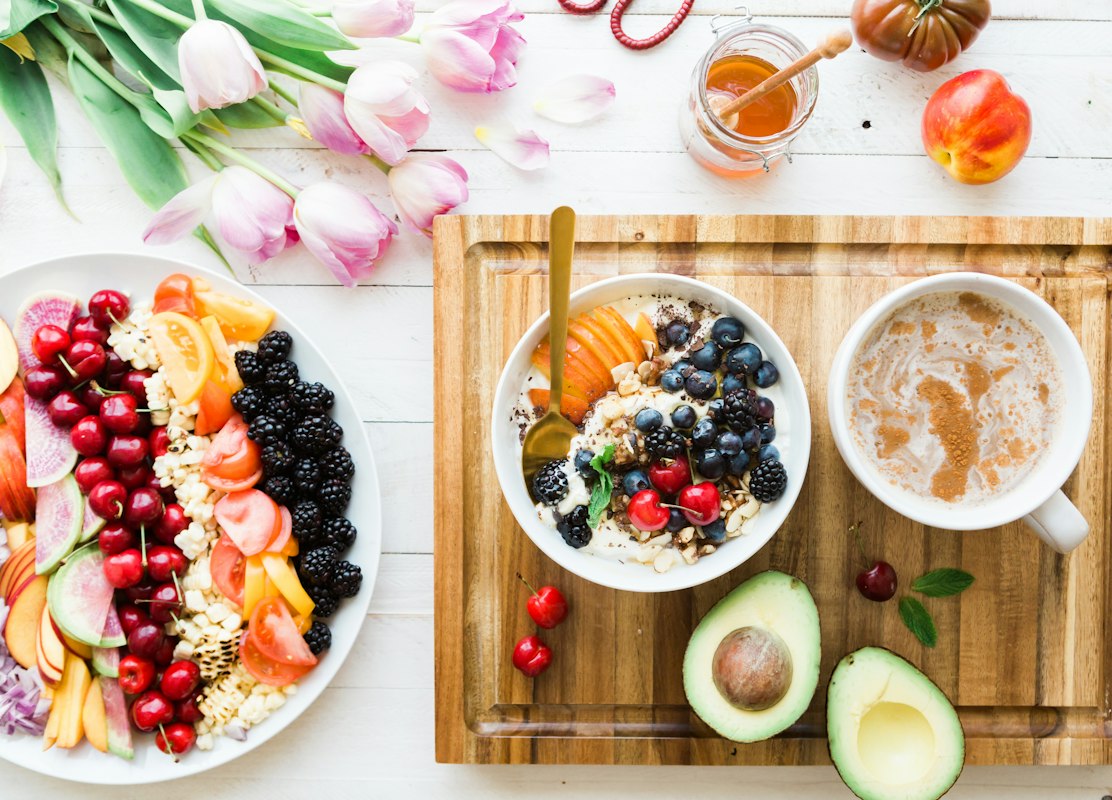
Berries & Low Sugar Fruits
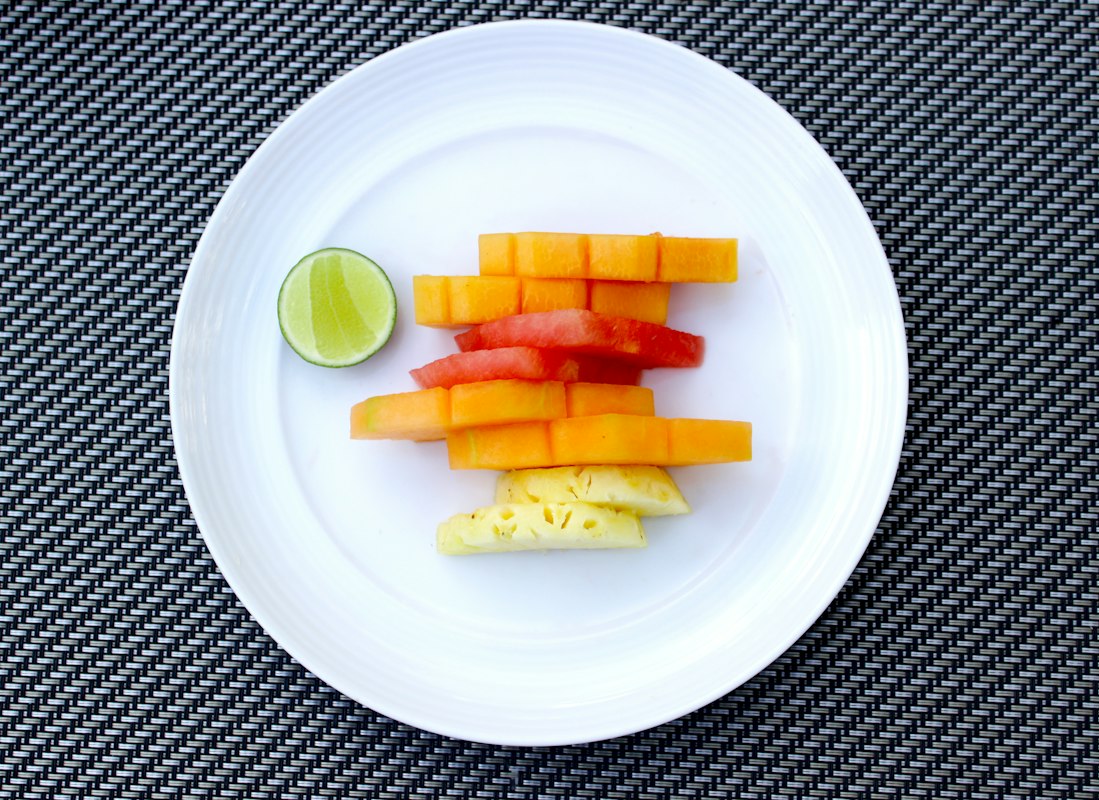
Blueberries, strawberries, raspberries, cherries, and green apples offer natural sweetness with a relatively low glycemic load. They also provide powerful antioxidants that support cardiovascular and cellular health.
- Rich in antioxidants
- Lower glycemic than most fruits
- Great as snacks or dessert
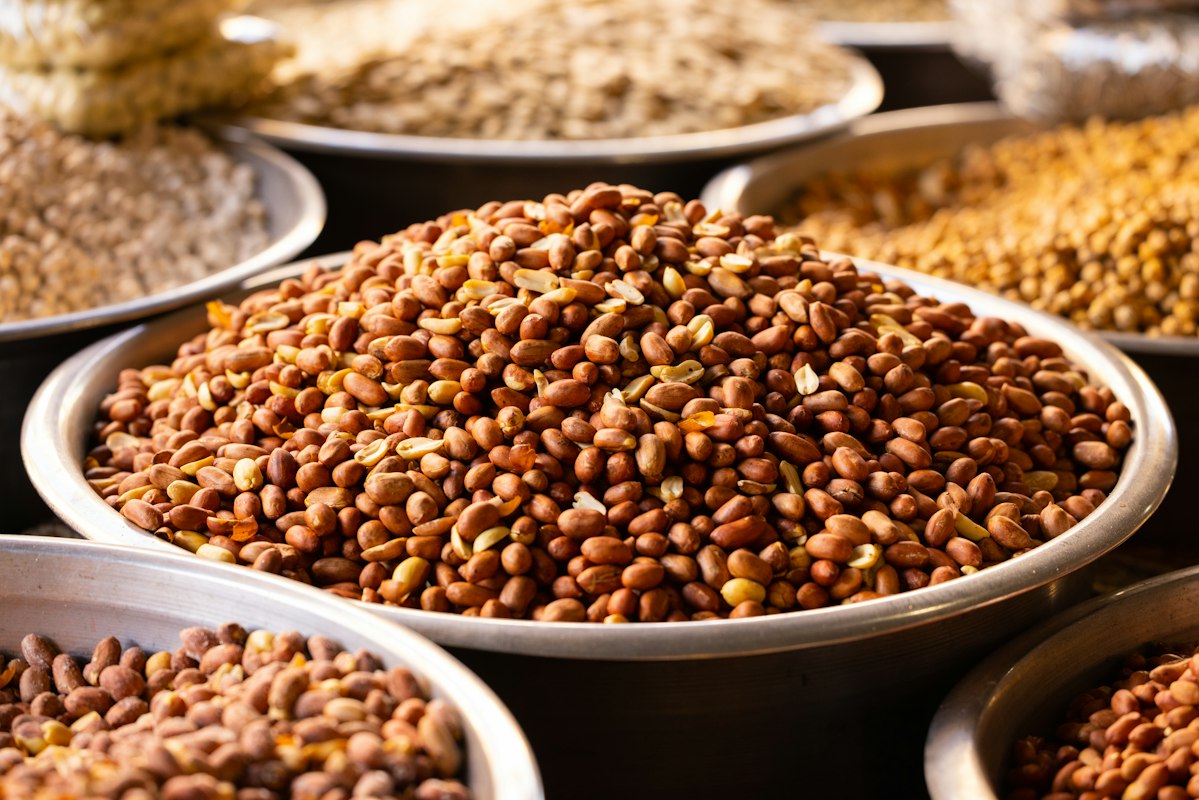
Nuts & Seeds
Almonds, walnuts, chia seeds, flaxseeds, and pumpkin seeds are virtually sugar-free and dense with healthy fats, magnesium, and fiber. A small handful makes a smart, satisfying snack between meals.
- Virtually no sugar
- Healthy fats and minerals
- Ideal between-meal snack
Whole Grains
Oats, barley, quinoa, and whole rye bread digest far more slowly than their refined counterparts. Their beta-glucan fiber is especially noted for helping moderate post-meal blood glucose responses.
- Rich in beta-glucan fiber
- Sustained energy release
- Filling and nutritious
Lean Proteins
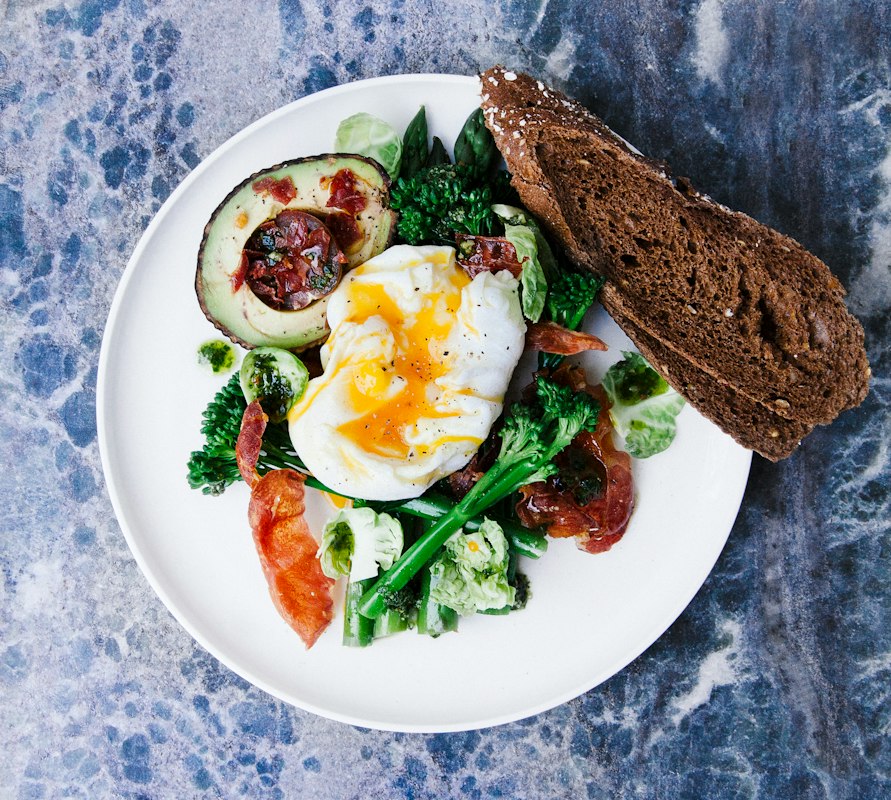
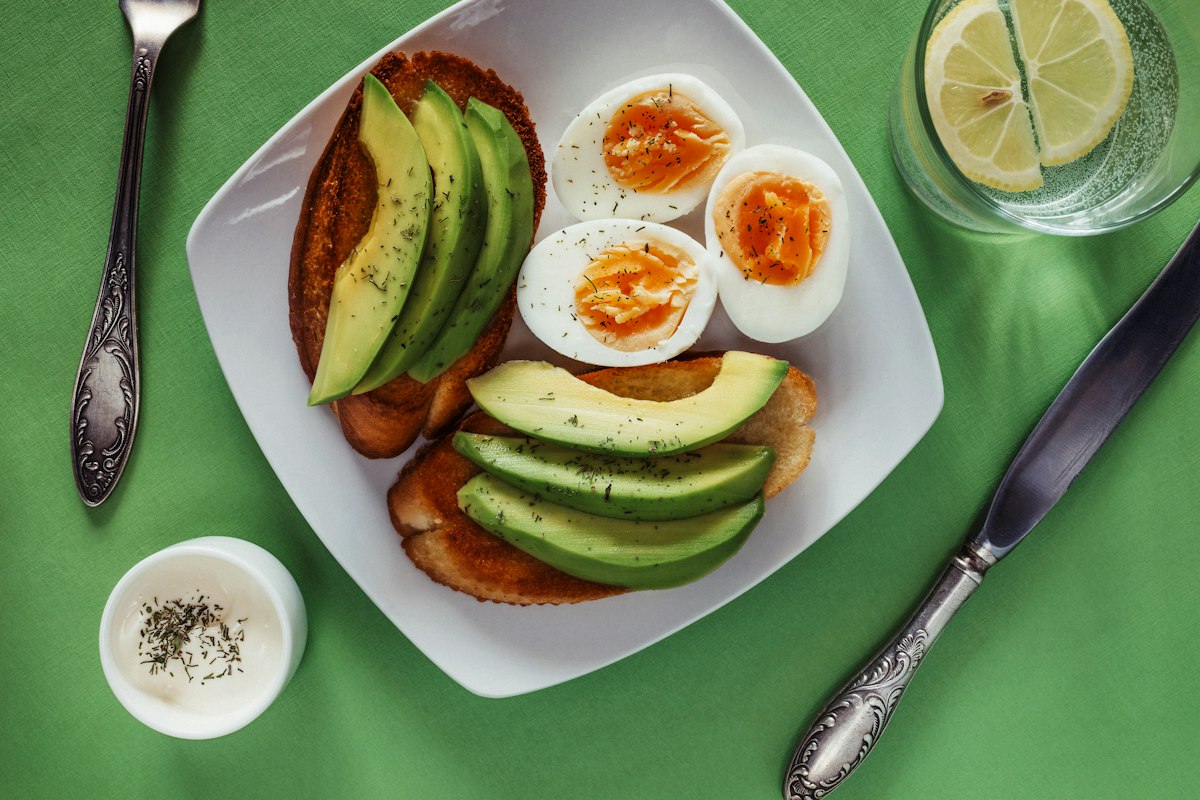
Chicken breast, turkey, eggs, tofu, and oily fish like salmon and mackerel contain little to no sugar. Protein slows the absorption of any carbohydrates eaten alongside it, helping blunt blood glucose spikes significantly.
- Zero or negligible sugar
- Slows carbohydrate absorption
- Supports muscle health
Want a Deeper Dive Into Low Sugar Eating?
Our food guides section covers everything from reading glycemic index labels to building a week's worth of satisfying, blood-sugar-friendly meals.
Browse All Food GuidesHow to Build a Balanced, Low Sugar Meal Plan
Building a consistent, enjoyable eating pattern does not have to be overwhelming. Follow these four steps to create a routine that supports steady blood sugar day after day.
Audit Your Current Diet
Start by noting what you currently eat over three typical days. Identify the high-sugar, high-glycemic foods that appear most often — these are your first targets for smart swaps.
Make Smart Substitutions
Swap white rice for quinoa or barley, replace sugary snacks with a handful of almonds or berries, and choose whole grain bread over white. Small changes each day accumulate into meaningful improvements.
Balance Every Plate
A well-structured plate combines non-starchy vegetables (half the plate), lean protein (one quarter), and a serving of low glycemic carbohydrates (one quarter). Add a drizzle of olive oil or avocado for healthy fats.
Plan Ahead for the Week
Prepare a simple weekly meal map every Sunday. Pre-cook legumes, wash and chop vegetables, and portion snacks in advance. When nutritious options are ready to go, you are far less likely to reach for high-sugar convenience foods.
Understanding Food Labels to Spot Hidden Sugars
Manufacturers often disguise added sugars under many different names on ingredient lists. Terms like dextrose, maltose, corn syrup, fructose, and evaporated cane juice all mean sugar — and they can appear in products you would never expect, from salad dressings to flavored yogurt.
A practical rule of thumb: if sugar (under any name) appears within the first three ingredients on the label, the product is likely high in added sugar. Look also at the "Total Sugars" line on the nutrition facts panel — and pay attention to serving sizes, which manufacturers sometimes set artificially small to make sugar counts appear lower.
What Our Readers Say
Real reflections from our readers. Note: individual results may vary.
The food guides on this site genuinely changed how I approach the supermarket. I had no idea that some of my favourite "healthy" yogurts contained more sugar than a biscuit. After reading the label guide here and switching to lower glycemic options, I feel so much more energetic in the mornings. The articles are clear, practical, and never condescending.
Marie-Claire Fontaine
Reader from Lyon, France
"Finding reliable information about the glycemic index felt overwhelming. Lowglycemicmealsinfo broke it all down beautifully. The meal plans and substitution guides are exactly what my dietitian recommended I look for."
David Okonkwo
Reader from Lagos, Nigeria
"I was skeptical at first, but this site changed how I think about food. The recipes are genuinely delicious and my blood sugar readings have improved considerably. I recommend this site to my friends who are interested in nutrition."
Rachel Simmons
Reader from Toronto, Canada
"The weekly newsletter alone is worth subscribing. Every edition has something new — a recipe, a science snippet, or a tip I hadn't considered. My whole family has adopted lower-GI eating and we all feel better for it."
Lena Brandt
Reader from Berlin, Germany
"I lost significant weight in four months without feeling deprived. The low-GI meal approach taught here is sustainable — it's not a diet, it's a lifestyle. I wish I had found this resource years ago."
Amir Hassan
Reader from Dubai, UAE