
Best Low Sugar Foods —
Eat Smart, Live Better
Discover the top foods that help keep your blood glucose steady, satisfy your appetite, and bring real variety to every meal. Our editorial team in France has gathered the most practical, science-backed food guides for anyone watching their sugar intake.
Why Low Sugar Eating Matters
Understanding a few key facts about blood glucose and nutrition can transform the way you approach every meal.
Blood Sugar Balance
The glycemic index of a food directly affects how quickly blood glucose rises after eating. Choosing low-GI foods keeps energy levels stable and reduces sudden spikes throughout the day.
Everyday Energy & Satiety
Foods rich in fiber and lean protein slow digestion, helping you feel full longer and maintaining consistent energy. A well-structured low-sugar plate is a powerful tool for daily wellbeing.
Variety & Enjoyment
Eating low sugar does not mean sacrificing flavor. There is a wide world of vegetables, legumes, whole grains, and proteins that are both delicious and compatible with a glucose-conscious lifestyle.
Ready to Build Smarter Meals?
Our editorial team has compiled detailed food guides, salad ideas, and ingredient breakdowns — all free to read.
Download the Free GuideTop Low Sugar Foods to Know
These are the foods our editorial team highlights most often — practical, accessible in France, and well-supported by nutritional research.
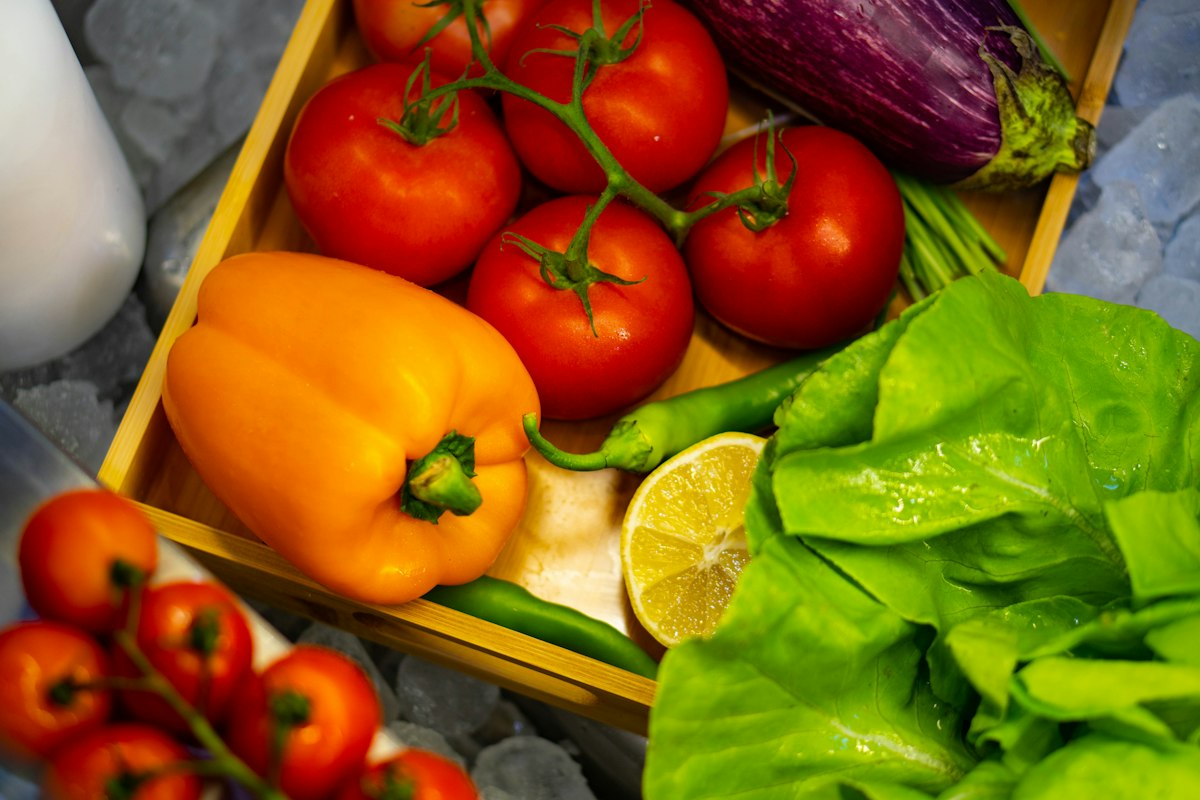
 Vegetables
Leafy Greens
Spinach, kale, Swiss chard and lamb's lettuce are nutritional powerhouses with virtually no impact on blood sugar. Rich in magnesium, folate and antioxidants, they form the ideal base for a glucose-friendly salad bowl or side dish.
Read the full guide Whole Grains
Oats & Quinoa
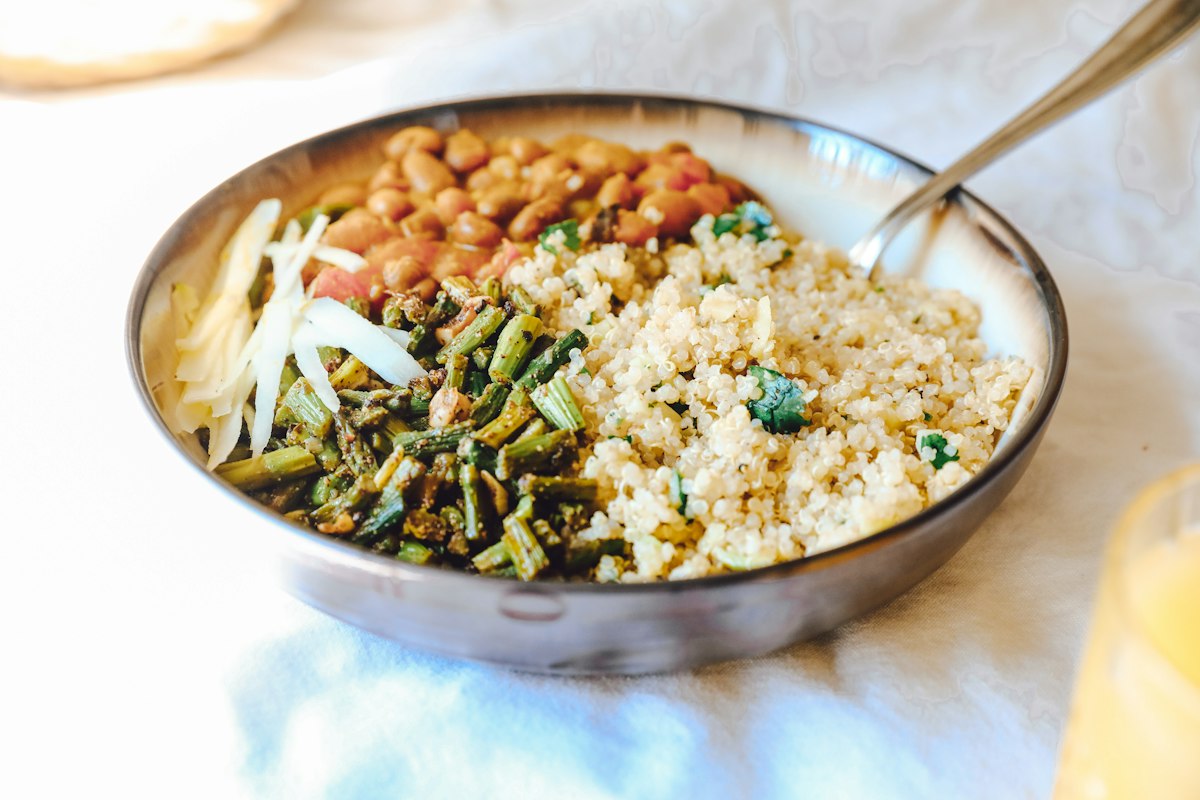
Whole oats and quinoa have a much lower glycemic index than refined grains. Their high beta-glucan and protein content slows glucose absorption, making them excellent choices for breakfast or a satisfying midday grain bowl.
Read the full guide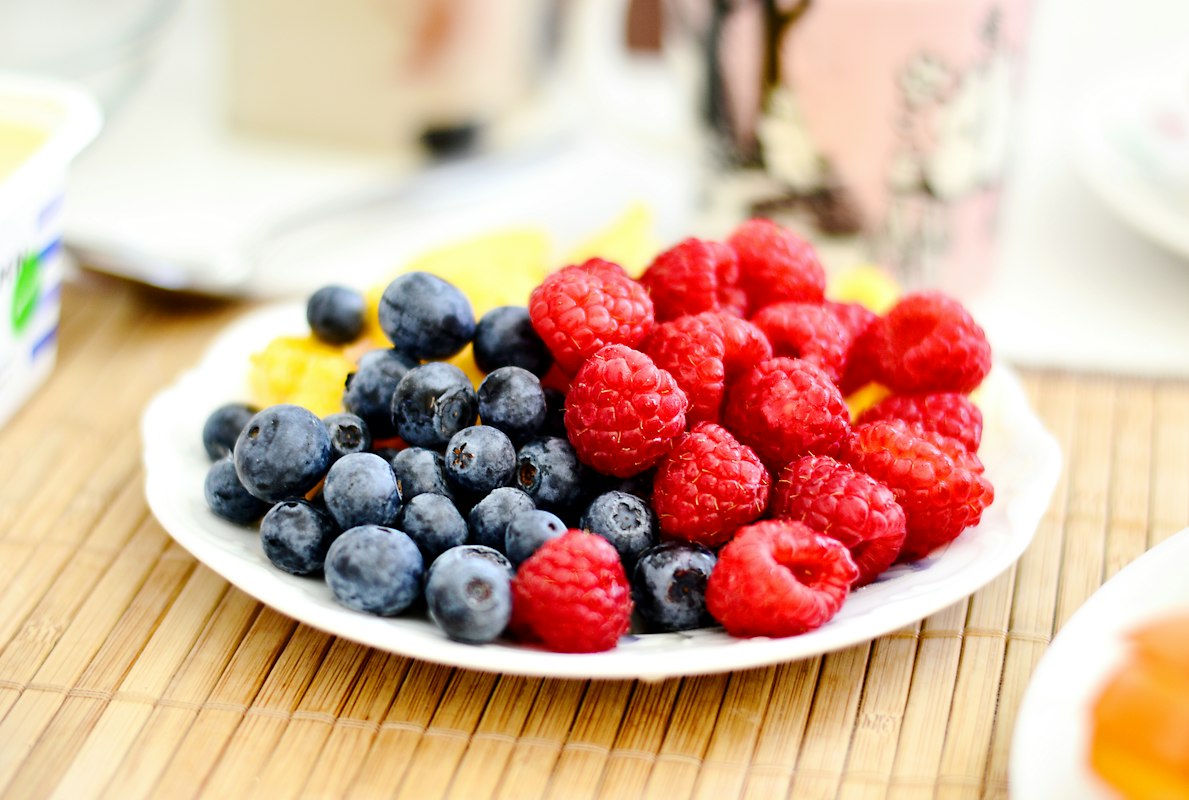 Lean Proteins
Lean Fish & Poultry
Salmon, cod, trout, and skinless chicken contain no carbohydrates and do not affect blood glucose at all. They provide high-quality protein that supports muscle health, keeps hunger at bay, and pairs perfectly with low-GI vegetables.
Read the full guide Low-GI Fruits
Berries & Cherries
Strawberries, blueberries, raspberries, and cherries rank low on the glycemic scale while delivering an impressive dose of vitamins, polyphenols and fiber. They satisfy sweet cravings without triggering rapid glucose rises, making them a perfect snack or dessert.
Read the full guide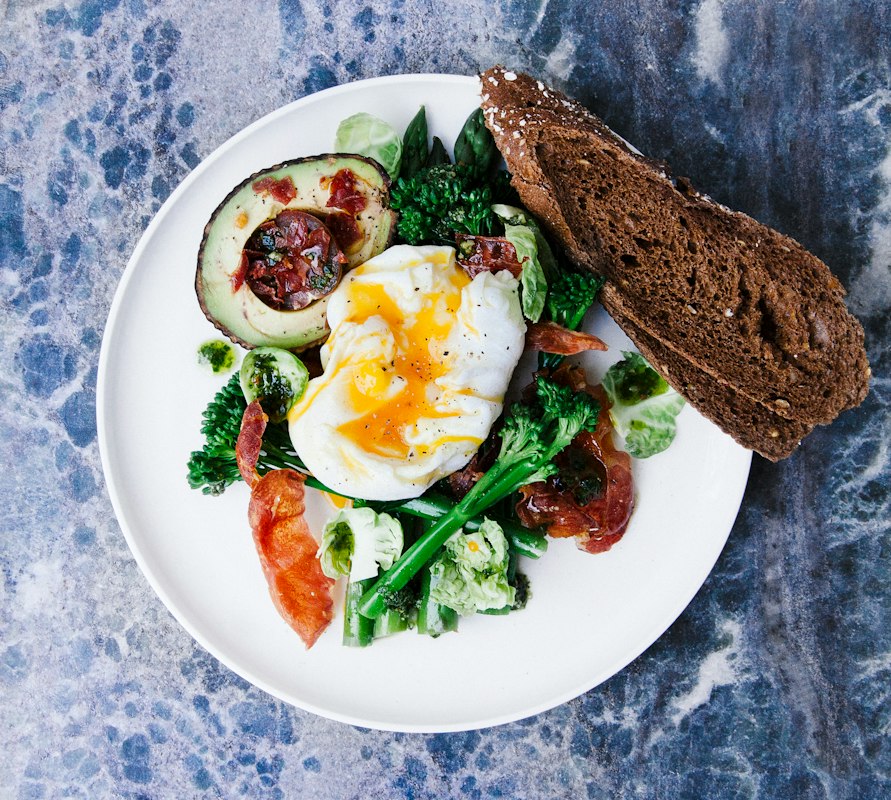 Legumes
Lentils & Chickpeas
Lentils, chickpeas, and white beans have among the lowest glycemic indices of all carbohydrate-containing foods. Their fiber and resistant starch content makes them digest slowly, providing lasting energy — ideal for soups, salads and warm side dishes.
Read the full guide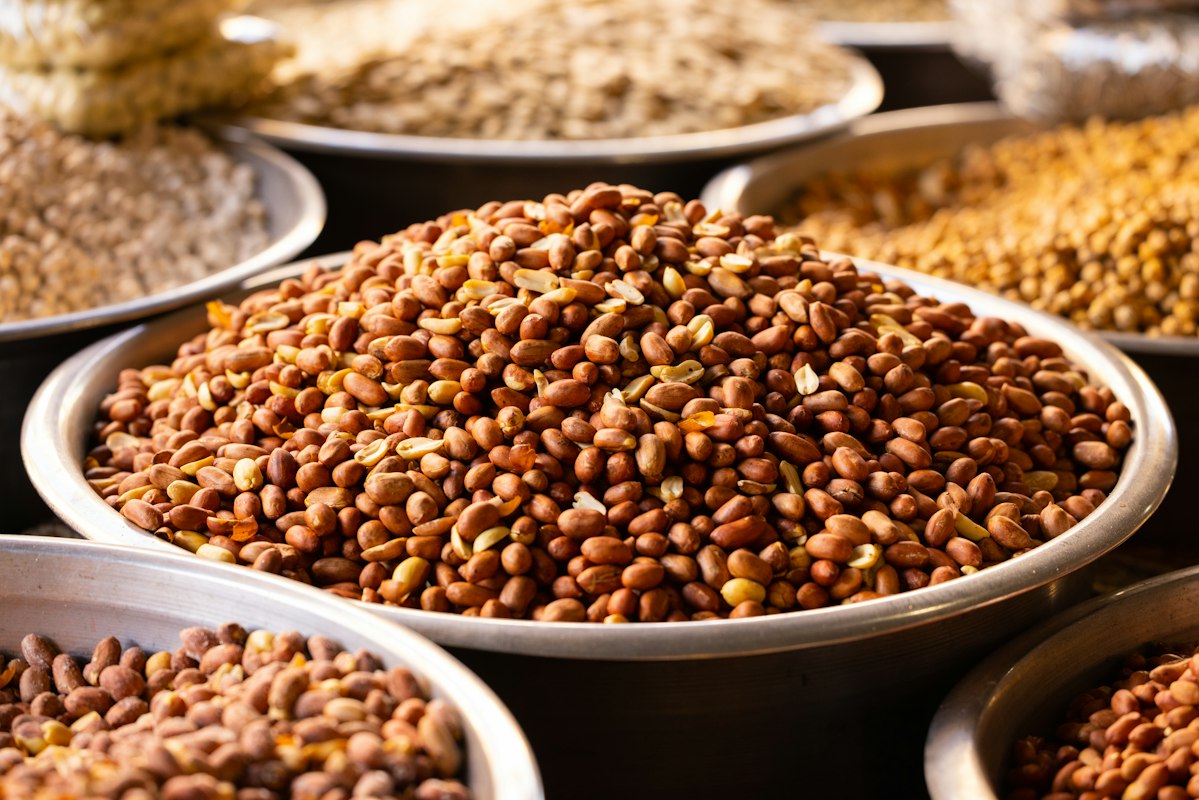 Dairy Alternatives
Plain Greek Yogurt & Nuts
Unsweetened Greek yogurt is protein-dense and has a modest glycemic impact. Paired with a small handful of walnuts or almonds, it forms a snack that stabilizes blood glucose rather than spiking it — a combination our editors recommend frequently.
Read the full guideWhy Low Sugar Foods Make a Real Difference for Blood Glucose Control
Not all carbohydrates behave the same way in the body. Foods with a high glycemic load cause glucose to enter the bloodstream rapidly, which can overwhelm the body's regulatory capacity. Low sugar, high-fiber foods slow this process down significantly — providing steadier energy and reducing the demands placed on your system after every meal.
The glycemic index is a useful but incomplete guide. Equally important is the total glycemic load of a meal — which takes into account portion size. Our food guides explain how to combine ingredients so that even a relatively higher-GI food like carrots or wholegrain bread can fit comfortably into a glucose-conscious plate when balanced properly.
Beyond blood glucose, low sugar foods tend to be richer in vitamins, minerals and antioxidants. This means that eating in a way that supports stable blood sugar also naturally supports cardiovascular wellbeing, gut health and sustained energy — a comprehensive benefit, not just a narrow one.
Explore Our Food Guides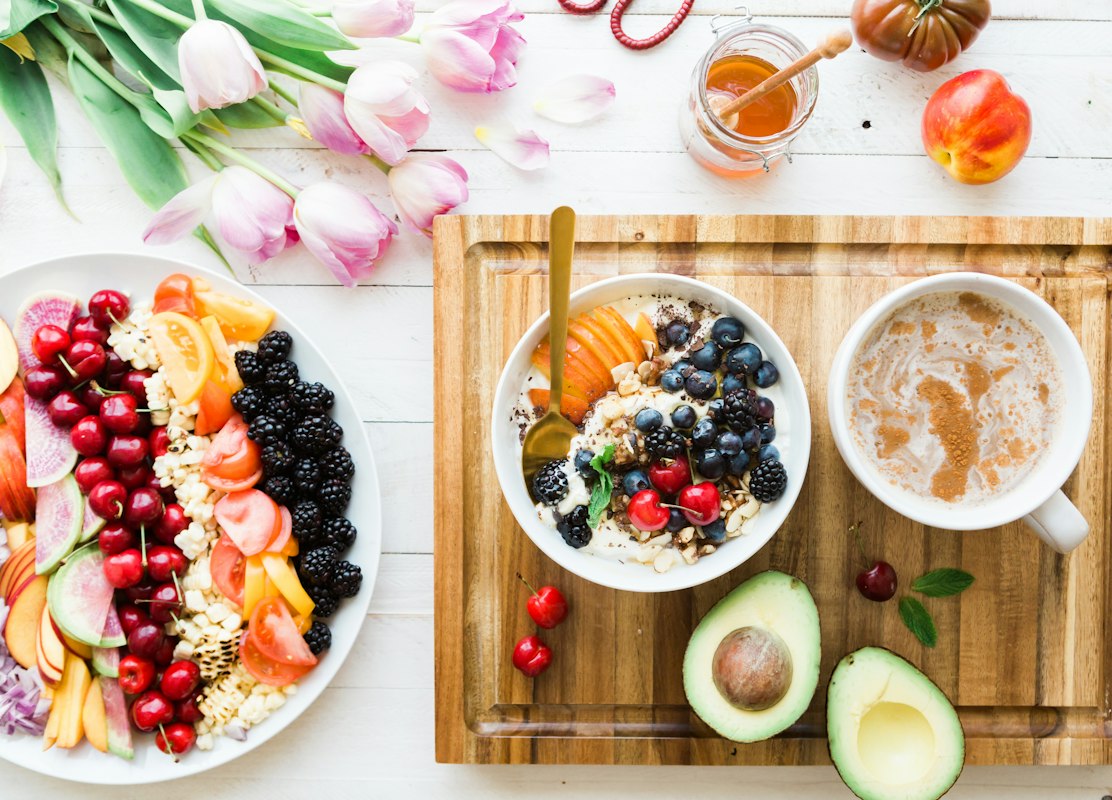
Best Salad Bases & Meal Builders for Stable Blood Sugar
Our editorial team has reviewed dozens of meal structures. These three frameworks appear most consistently in nutrition research as effective ways to reduce post-meal glucose peaks.
The Fiber-First Plate
Start every main meal with a large base of non-starchy vegetables — cucumber, tomatoes, courgettes, fennel — before adding protein and a small portion of whole grain. Research suggests eating fibrous vegetables first can measurably reduce the blood glucose response to the meal as a whole.
The Protein-Anchored Bowl
Building a meal around a substantial protein — grilled fish, boiled eggs, or legumes — and adding low-GI carbohydrates on the side ensures that digestion slows naturally. This structure is particularly effective at midday when the body's glucose metabolism is most active.
The Mediterranean-Inspired Mix
A combination of olive oil, leafy greens, oily fish, tomatoes, and legumes — familiar to French and wider Mediterranean cuisine — consistently shows strong results in nutritional literature for maintaining balanced blood glucose. It is also one of the most satisfying and varied ways to eat.
Common Questions About Low Sugar Eating
Answers from our editorial team, drawing on widely available nutritional guidance and food science literature.