
Eat Smart, Live Well:
Best Low Sugar Foods for a Balanced Lifestyle
Discover evidence-based food guides, curated meal ideas, and expert nutritional insights to help you keep blood sugar balanced and energy levels high — every single day.
Why What You Eat Matters More Than Ever
Nutritional science consistently shows that food choices are one of the most powerful levers for maintaining steady energy and healthy blood sugar throughout the day.
Food Choices Are Foundational
A wide body of nutritional research confirms that selecting low-glycemic, fiber-rich foods daily is among the most effective steps for long-term metabolic wellbeing.
Stable Energy, All Day Long
Eating foods that release glucose slowly into the bloodstream helps avoid the sharp energy spikes and crashes that often follow high-sugar meals — keeping you focused and active.
Knowledge Is Your Best Tool
Understanding the glycemic index, carbohydrate quality, and portion balance empowers you to make informed decisions at every meal — without guesswork or restrictive fad diets.
Top Low Sugar Food Categories to Include Daily
These food groups are consistently highlighted by nutritionists and dietitians as the building blocks of a blood-sugar-friendly diet. Explore each one to understand why it belongs on your plate.
Non-Starchy Vegetables
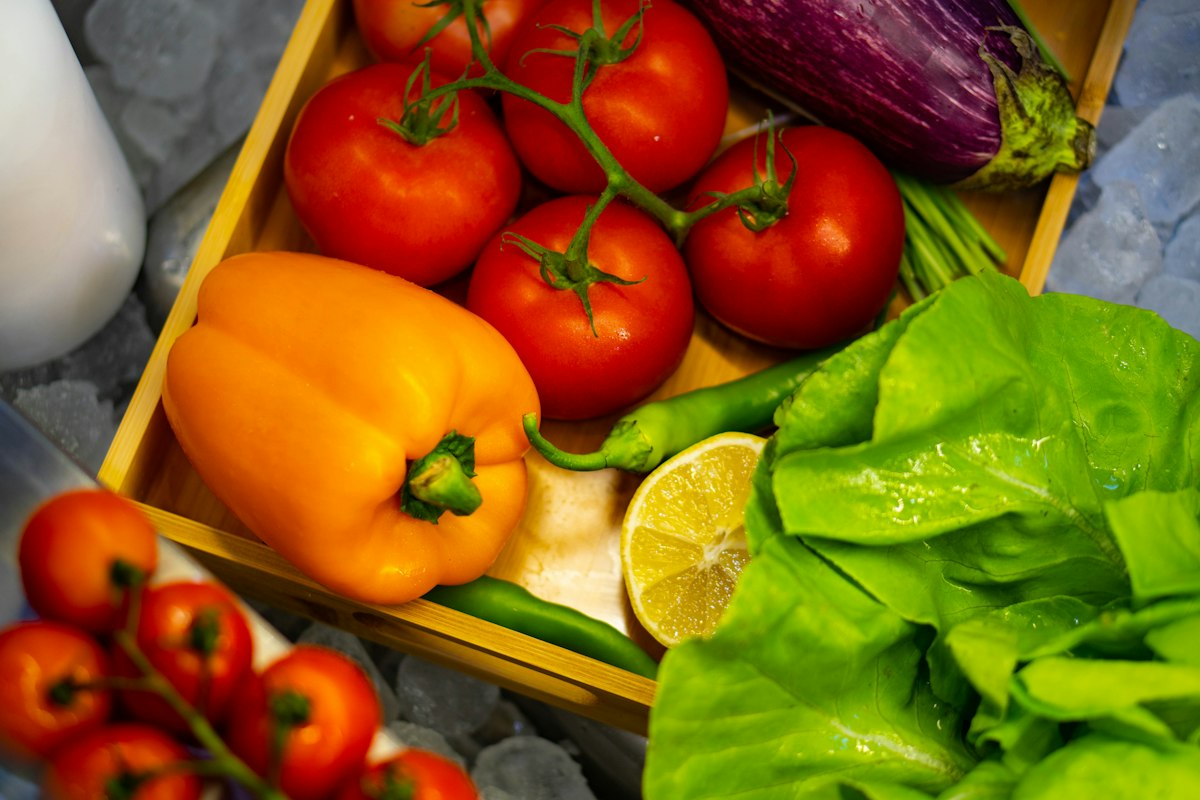
Leafy greens, broccoli, zucchini, cucumber, and bell peppers are remarkably low in digestible carbohydrates while being packed with vitamins, minerals, and fiber. They fill your plate without spiking glucose levels.
Learn moreLean Proteins
Chicken breast, turkey, fish, tofu, and eggs contain virtually zero sugar and help sustain satiety between meals. Protein also plays a key role in slowing the absorption of carbohydrates eaten alongside it.
Learn moreLegumes & Pulses
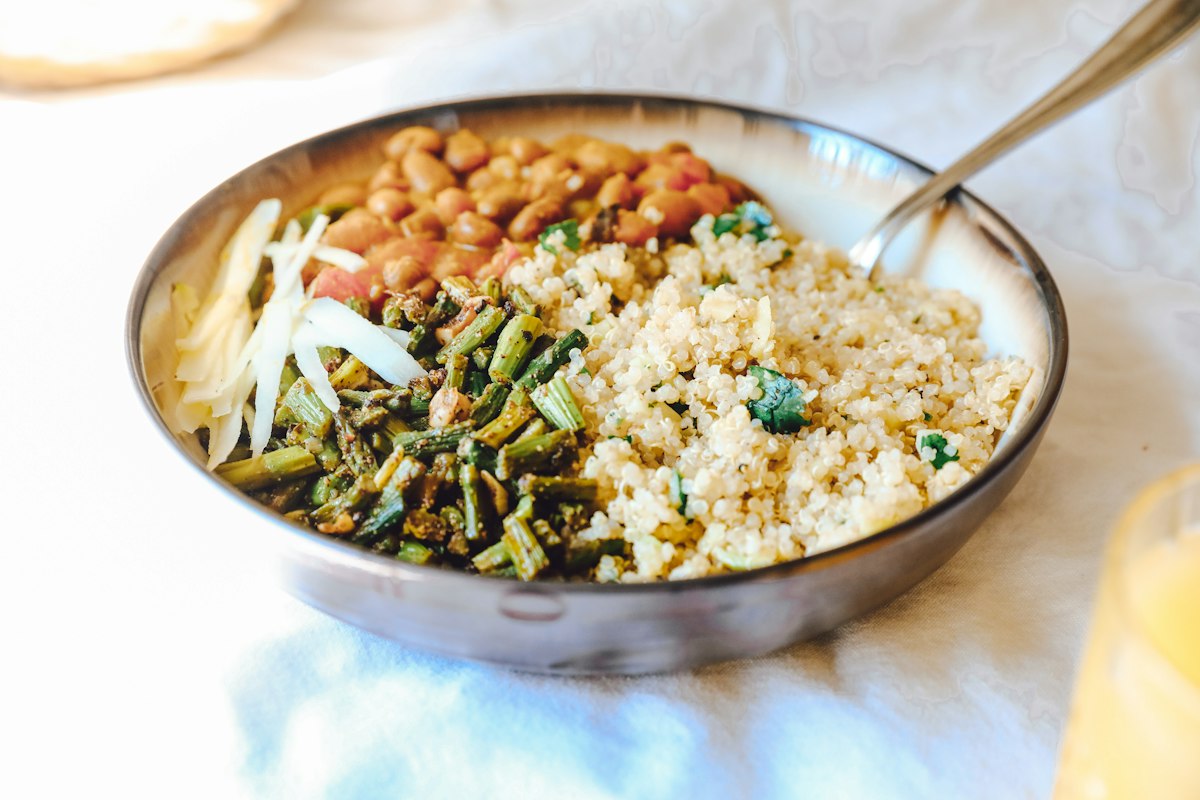
Lentils, chickpeas, black beans, and kidney beans have a surprisingly low glycemic impact despite containing carbohydrates. Their soluble fiber content creates a slow, steady release of glucose — a perfect pairing.
Learn moreLow-Glycemic Fruits
Berries, cherries, green apples, and pears rank low on the glycemic index compared to tropical fruits. Rich in antioxidants and fiber, they satisfy sweet cravings without causing rapid blood sugar elevation.
Learn moreWhole Grains (in moderation)
Oats, quinoa, barley, and bulgur wheat digest more slowly than refined grains thanks to their bran and germ layers. Choosing whole grain options for breads and cereals makes a measurable difference in post-meal glucose response.
Learn moreHealthy Fats
Avocado, olive oil, walnuts, almonds, and fatty fish provide essential omega-3 fatty acids and contain no sugar. Incorporating these fats into daily meals improves satiety and helps moderate the glycemic impact of accompanying foods.
Learn moreNot Sure Where to Start?
Our food guides break down exactly which foods to prioritize, how to read nutrition labels, and how to build satisfying, low-sugar meals without feeling deprived. All in plain, accessible language.
Explore Food GuidesWhy Low Sugar Eating Makes a Real Difference
When you consistently choose foods that carry a lower sugar load, your body's glucose management system can work more efficiently and with less strain. This means fewer dramatic energy fluctuations throughout the day, improved concentration, and a more stable mood — benefits that many people notice within the first few weeks of changing their eating habits.
Low sugar eating is not about eliminating entire food groups or following a rigid, joyless plan. Instead, it is about learning which everyday foods are naturally gentle on blood sugar and building meals around those foundations. From a vibrant salad bowl with grilled salmon to a hearty lentil soup, delicious and satisfying options are abundant.
Our editorial team at Lowglycemicmealsinfo compiles guides based on the latest nutritional research and expert dietitian commentary so that you can make informed choices — whether you are cooking for yourself, your family, or managing a specific nutritional goal.
How to Make the Most of Our Content
Our guides are designed to take you from confusion to clarity in a few clear steps — no background in nutrition required.
Explore the Food Guides
Start by browsing our curated food category guides. Each article explains the glycemic impact of common foods, which options to favour, and practical tips for everyday shopping and cooking.
Read the Low Sugar Essentials
Dive into our low-sugar eating section for detailed breakdowns of macronutrient balance, hidden sugars in packaged foods, and how to construct meals that naturally keep glucose levels stable throughout the day.
Apply, Adapt, and Ask
Put what you learn into practice at your own pace. If you have questions about an article or want to suggest a topic, our editorial team welcomes your feedback via the contact page — we read every message.
Frequently Asked Questions About Low Sugar Eating
Answers to the most common questions our readers ask about building a blood-sugar-friendly diet.
What Our Readers Are Saying
Readers across France share how the guides and articles on Lowglycemicmealsinfo have helped them eat more intentionally and feel the difference.
I stumbled upon the lentil guide on Lowglycemicmealsinfo after feeling exhausted every afternoon at work. The article explained exactly why my usual lunch was causing energy crashes and suggested three simple swaps. Within two weeks I genuinely noticed a difference — my concentration after lunch improved and I stopped reaching for biscuits by 3pm. The writing is clear, practical, and never makes you feel judged for where you are starting from.
Margot Lefebvre
Lyon, France
My father was advised by his nutritionist to follow a lower glycemic diet, and we were both overwhelmed by the conflicting information online. This site was the clearest resource we found. The articles on vegetables and whole grains gave us a solid foundation — we could finally build meals with confidence. What I appreciate most is that the content is based on real nutritional research, not trends or gimmicks. We now cook together twice a week using ideas from the food guides.
Thomas Renard
Bordeaux, France
Ready to Explore Low Sugar Meal Planning?
Browse our complete collection of food guides, learn which everyday staples support balanced blood sugar, and discover how small, informed choices can add up to meaningful improvements in how you feel every day. All content is free, ad-light, and written in plain language.
An Independent Editorial Project for Smarter Eating
Lowglycemicmealsinfo is an independent nutrition information platform dedicated to making low-glycemic eating accessible, understandable, and enjoyable for everyone. Our editorial team consists of passionate writers and nutrition enthusiasts who believe that good food information should be free and clearly communicated.
We publish in-depth guides on food categories, glycemic rankings, label reading, and practical meal building strategies. Every article is reviewed for accuracy and kept up to date as new nutritional research emerges. Based in France but read by people across Europe, we strive to make our content relevant to a wide range of dietary cultures and cooking traditions.
Editorial Office
Place du Marché 101, Lille, France
Phone
+33 675 968 904
Editorial Enquiries